
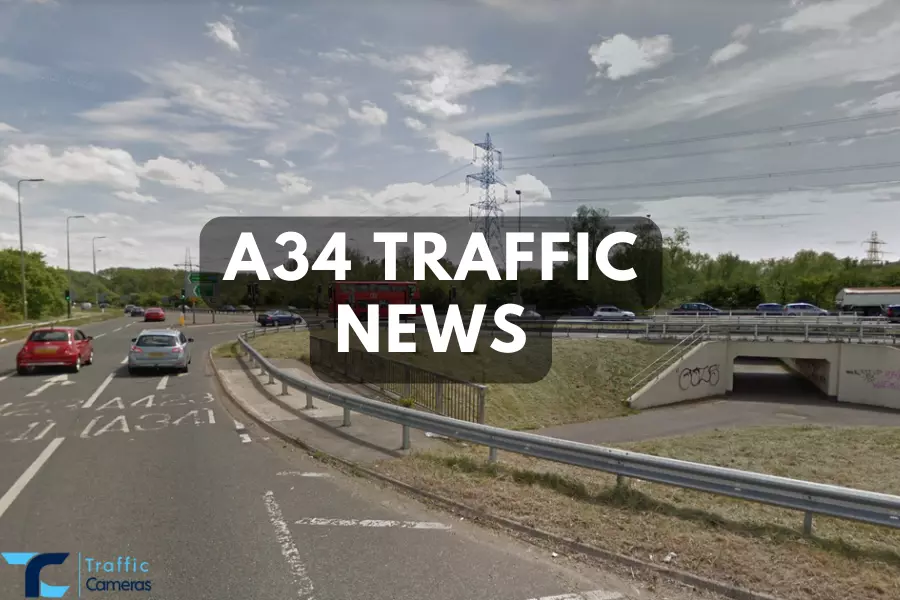
If you are travelling on the A34, checking A34 traffic before you leave can help you prepare for delays, roadworks and changing traffic conditions.
If you are travelling on the A34, checking A34 traffic before you leave can help you prepare for delays, roadworks and changing traffic conditions. The A34 is an important north-south route through southern England, linking areas around Oxford with routes towards Newbury and the wider South Coast and Midlands road network.
For drivers, commuters, delivery vehicles and fleet operators, conditions can change quickly. A journey that normally takes a predictable amount of time can be affected by congestion, collisions, lane restrictions, roadworks or incidents further along the route.
This guide explains how to check traffic A34 conditions, what to know about A34 Oxford traffic, and how to use traffic cameras and road information before starting your journey.
How to Check A34 Traffic Before Your Journey
The most useful approach is to check several sources rather than relying on a single journey-time estimate.
Traffic cameras can give you a visual indication of what is happening on the road. They can help you see whether traffic is moving freely, whether queues are building and whether weather or road conditions may be affecting visibility.
You can also check current road information for incidents, closures and planned works. On TrafficCameras.info, you can use the available road and camera information to get a better view of conditions before travelling.
Useful checks before leaving include:
- Current A34 camera images
- Traffic approaching major junctions
- Planned roadworks and closures
- Incidents affecting the route
- Weather conditions
- Alternative routes if significant delays are reported
National Highways also provides information about planned closures and current disruptions on England's strategic road network. Its road closure information can be filtered by road and direction.
A34 Oxford Traffic: What Drivers Should Know
A34 Oxford traffic is an important consideration for anyone travelling through or around Oxford. The road runs alongside the city and carries both strategic traffic and journeys connected with the surrounding urban area.
National Highways has identified the A34 around Oxford and Abingdon as an area where congestion and delay can occur.
Traffic can be affected by several factors, including:
Junction and Interchange Traffic
Traffic levels can increase around major interchanges and junctions, particularly when vehicles are joining or leaving the A34.
Drivers should pay attention to lane signs and allow enough time to position themselves correctly before approaching their exit.
Commuter Traffic
Peak travel periods can produce heavier traffic around Oxford and other busy areas along the route.
If your journey is flexible, checking traffic before leaving can help you decide whether travelling at another time is practical.
Incidents and Breakdowns
A collision, vehicle breakdown or other incident can affect traffic well beyond the immediate location.
Even when an incident has been cleared, queues can take time to return to normal. This is why checking cameras can be useful before joining a busy section of the A34.
A34 Traffic UK: Common Causes of Delay
There is no single reason why A34 traffic UK conditions change. Different sections of the route can be affected by different problems.
Common causes include:
| Cause | Possible effect on traffic |
|---|---|
| Road collisions | Queues and lane restrictions |
| Vehicle breakdowns | Slower traffic or blocked lanes |
| Roadworks | Reduced lanes or temporary speed limits |
| Heavy commuter traffic | Longer journey times |
| Poor weather | Lower speeds and reduced visibility |
| Junction congestion | Queues when traffic merges or exits |
| Road closures | Diversions and increased traffic elsewhere |
Roadworks are particularly important for regular A34 users. National Highways publishes planned closure information, but schedules can change at short notice.
For example, National Highways has published A34 maintenance information for sections around Marcham and Abingdon, including overnight closures and daytime traffic management during 2026. Always check the latest information for the date and direction of your journey rather than relying on an old roadworks notice.
How Traffic Cameras Can Help
A traffic camera provides a useful visual check of road conditions.
National Highways explains that its traffic cameras are used to help operators monitor and manage congestion and incidents across England's motorways and major roads.
For drivers, camera images can be useful when deciding whether to continue with a planned route or allow additional time.
When checking an A34 camera, look for:
- Slow-moving or stationary traffic
- Long queues approaching junctions
- Wet or poor-visibility conditions
- Lane restrictions
- Signs warning of incidents
- Traffic building in the opposite direction
Remember that a camera image represents conditions at a particular point. Traffic can be moving normally at one camera and be much slower a few miles away.
For this reason, it is useful to check several cameras along your route where available. Check the A34 traffic cameras and road information before travelling.
A34 Traffic News and Roadworks
Searching for A34 traffic news can help you identify reported incidents and planned works before setting off.
However, road information is time-sensitive. A report from earlier in the day may no longer represent the current situation.
National Highways says its current services include information about active incidents, disruptions and delays, as well as planned full road closures.
For longer journeys, it is sensible to check again shortly before departure.
This is especially useful for delivery and fleet drivers who may have fixed arrival windows. Knowing about a potential delay before leaving can give you more time to adjust your journey plans.
Tips for Driving on the A34
Whether you use the A34 every day or only occasionally, a few simple habits can make journey planning easier.
Look at current traffic information rather than assuming conditions are normal.
Northbound and southbound traffic can experience completely different conditions.
If there are reported incidents or roadworks, build additional time into your journey.
Temporary speed limits, lane closures and diversion signs should always be followed.
Your navigation app may not immediately reflect every road restriction or developing incident.
Conditions can change after you have started travelling.
If you are driving professionally, these checks can also help with delivery planning and reduce the risk of being caught unexpectedly by major delays. You can also check our speed cameras fine guide.
Plan Your A34 Journey With TrafficCameras.info
Checking the road before you travel is one of the simplest ways to make an informed journey decision.
Traffic cameras cannot predict exactly what will happen later, but they can provide a useful view of current conditions. Combined with roadworks, incident and weather information, they can give drivers a clearer picture of what to expect.
If you are travelling through Oxford, Abingdon or another part of the A34 route, check the latest available camera information before setting off.
Visit TrafficCameras.info to check A34 traffic cameras and current road information before your journey.
Conclusion
A34 traffic can change because of congestion, incidents, roadworks, weather and junction activity. This is particularly important around Oxford, where the A34 supports both strategic and local journeys.
The best way to prepare is to check current information before leaving, look at available traffic cameras and pay attention to planned closures or roadworks.