
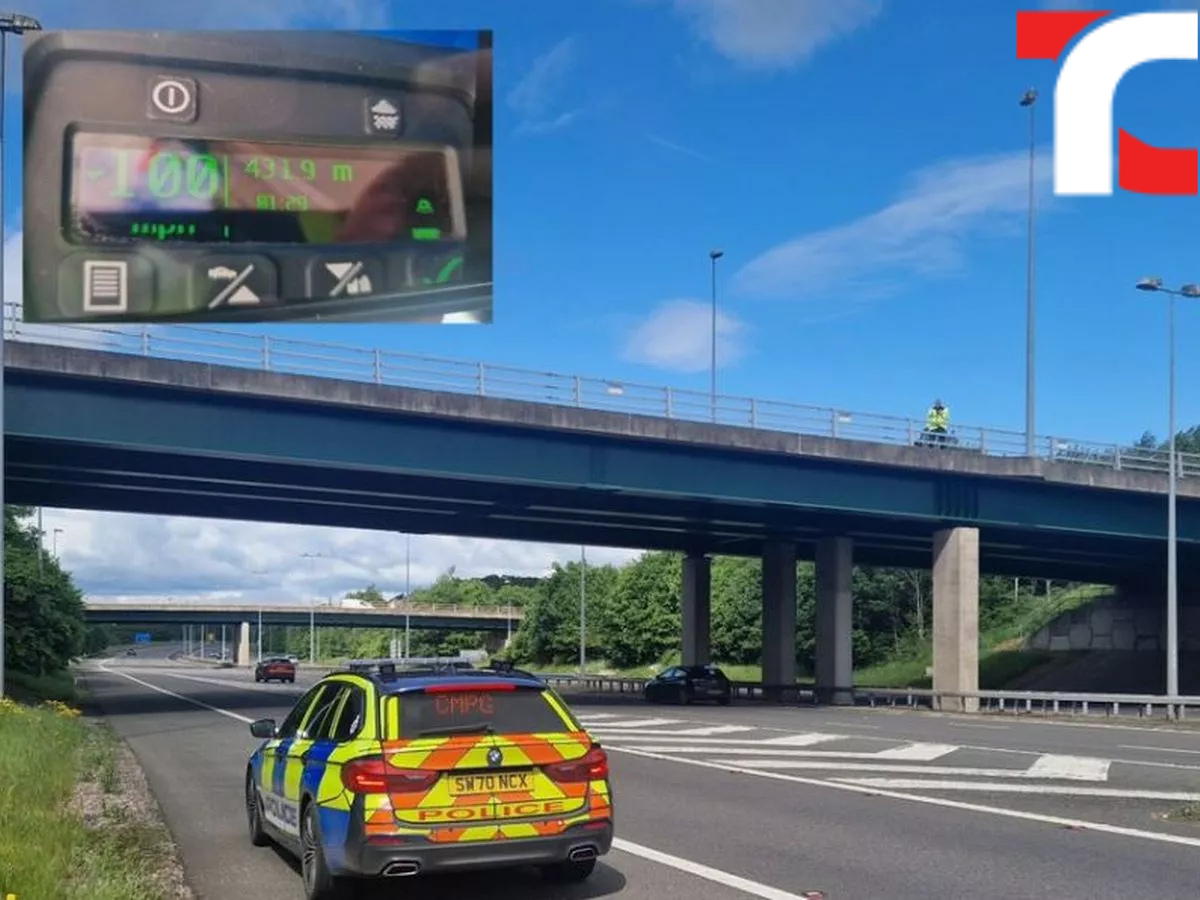
A traffic enforcement camera is a roadside or vehicle-mounted device used by police and local councils to detect and record driving offences including speeding,
A traffic enforcement camera is a roadside or vehicle-mounted device used by police and local councils to detect and record driving offences including speeding, running red lights, illegal turns, and bus lane misuse. Unlike ordinary CCTV, footage or images from a traffic enforcement camera can be used as legal evidence, often leading directly to a fine or penalty points.
If you drive in the UK roads, you've almost certainly passed one - at a motorway junction, outside a school, in a bus lane, or hidden in an unmarked van on the hard shoulder. This guide explains exactly what these cameras do, the different types in use, how reliable they are, and what to expect if one catches you.
How Does a Traffic Enforcement Camera Work?
Most traffic enforcement cameras rely on a mix of technologies working together:
- Radar or LIDAR sensors measure a vehicle's speed as it passes a fixed point.
- ANPR (Automatic Number Plate Recognition) reads and logs number plates, matching them against vehicle databases.
- Trigger-based photography captures an image (or short video clip) the moment a violation is detected for example, a vehicle crossing the stop line after a light turns red.
- Average speed systems use two or more linked cameras to calculate a vehicle's average speed over a stretch of road, rather than at a single point.
Once an offence is recorded, the evidence is typically reviewed by an enforcement officer before a Notice of Intended Prosecution (NIP) or penalty charge notice is issued to the registered keeper. you can also check our speed cameras fine guide.
Types of Traffic Enforcement Cameras in the UK
Different cameras are built for different offences. Here are the main types you'll encounter:
Fixed speed cameras - Permanently installed at known accident hotspots or high-risk stretches of road, these continuously monitor vehicle speed and are usually marked with warning signs.
Mobile speed cameras - Operated from police vehicles or handheld by officers using radar or laser guns, these can be repositioned to target areas with frequent speeding complaints. The police are not legally required to announce mobile camera locations in advance.
Average speed cameras (SPECS) - A series of connected cameras that calculate your average speed across a distance, commonly used through roadworks and long accident-prone sections of motorway.
Red-light cameras - also called traffic light cameras: Positioned at junctions, these trigger automatically when a vehicle crosses the stop line after the signal has turned red.
Bus lane and box junction cameras - Used by local councils rather than police, these enforce unauthorised use of restricted lanes and yellow box junctions, usually resulting in a council-issued penalty rather than points on your licence.
ANPR enforcement cameras - Focused on identifying specific vehicles - for example, those without valid insurance, tax, or MOT, or vehicles linked to other offences - rather than measuring speed directly.
Traffic Enforcement Camera vs. Live Traffic Camera
People often confuse enforcement cameras with the live traffic cameras used for road monitoring. They serve very different purposes:
Traffic Enforcement CameraLive Traffic CameraPurposeDetects and records offencesMonitors traffic flow and incidentsLegal outcomeCan result in a fine or penalty pointsNo fines issuedOperated byPolice / local councilsHighways agencies / traffic control centresPublic accessNot publicly viewableOften streamed live for drivers to check conditions
If you're checking road conditions before a journey, you're looking at a live traffic camera. If you're wondering whether you've been caught speeding, that's an enforcement camera.
How Accurate Are Traffic Enforcement Cameras?
Modern traffic enforcement cameras are highly accurate. They undergo regular calibration and testing, and any evidence used for prosecution must meet strict legal standards. That said, not every camera housing on the roadside is active some are decommissioned or empty "dummy" units left in place as a deterrent. Because there's no reliable way to tell an active camera from an inactive one, the safest approach is to always assume every camera could be live.
Do the Police Have to Warn You About Cameras?
Not always, Fixed cameras are generally sign-posted, but mobile and vehicle-mounted units are not required by law to be announced or visibly marked in advance. Officers often deliberately choose unpredictable locations to reduce speeding in high-risk areas rather than encourage drivers to slow down only near known camera spots.
What Happens If You're Caught by a Traffic Enforcement Camera?
If a camera captures an offence, the process usually follows these steps:
- The image or footage is reviewed by an enforcement officer.
- A Notice of Intended Prosecution (NIP) is sent to the registered keeper, usually within 14 days for speeding or red-light offences.
- The registered keeper must confirm who was driving.
- Depending on the offence and your driving history, you may be offered a fixed penalty, a speed awareness course, or referred to court for more serious cases.
Bus lane and box junction penalties issued by councils follow a separate civil process and don't add points to your licence.
Want to check live road conditions before you travel? Explore our live uk traffic camera feeds and plan your route with confidence.
FAQs
Are traffic enforcement cameras always recording?
No. Many only activate when a sensor detects a triggering event, such as a vehicle exceeding the speed threshold or crossing a stop line on red.
Can I be fined without a warning sign?
Yes. Mobile and average speed cameras don't legally require advance signage in the same way fixed cameras do.
Do traffic enforcement cameras and live traffic cameras use the same footage?
No. They're almost always separate systems enforcement cameras feed into ticketing databases, while live traffic cameras feed into public or traffic-management viewing systems.
How long do I have to respond to a camera fine?
For most speeding and red-light offences, the registered keeper must respond to the Notice of Intended Prosecution within 28 days of receiving it.